Offerings

My offerings are structured to support professionals who are newer to accessibility and inclusion practices.

I adore untangling confusing concepts, identifying those first practical steps that develop confidence, and providing a framework to empower future growth.

Let’s take that first (or next) step to improve accessibility and foster inclusion together!

  • My signature speech is “From Accidental Ableism to Intentional Inclusion.”

    Through personal storytelling, direct observations, and practical suggestions, attendees gain

    • an engaging introduction to fundamental concepts in disability and neurodivergence

    • awareness of the impact we have through small acts of inclusion (and exclusion)

    • strategies for inclusion that feel achievable and sustainable

  • Virtual or in-person. Topics include

    • neurodiversity fundamentals

    • building a neuro-inclusive workplace

    • understanding neurodivergent access needs: a social media example

    • countering casual ableism in healthcare settings

    • best practices for inclusive meetings, presentations, or teaching methods

    • how to talk about disability and neurodivergence without making it weird for anyone

  • I offer hourly sessions to provide focused, empathetic, nonjudgmental support on your inclusion efforts.

    Based on your needs, we might discuss:

    • A checkup (you may be farther than you think!)

    • Finding those first wins that build momentum

    • Building inclusive culture

    • Understanding how specific accommodations meet access needs

    • Identifying ableist language in your spaces and what to say instead

    • Calling in or calling out subtle acts of exclusion

    • Applying inclusive teaching methods to your field

    • Providing tailored education on key concepts

    • Answering those lingering questions that you’re worried might make you “look bad”
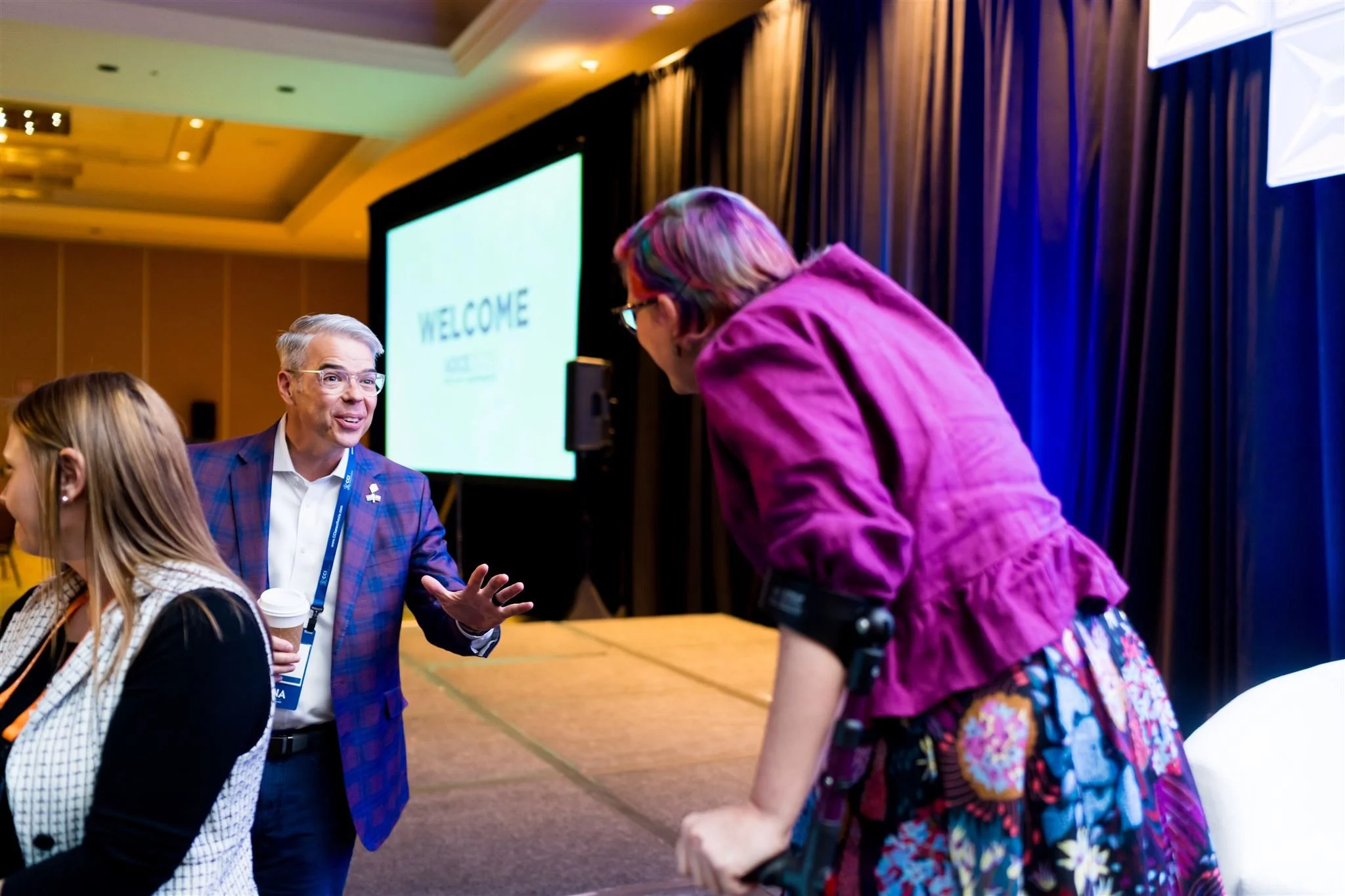
Compelling presentations encourage conversation, connection, and reflection.

  • "This presentation was really good. I teared up a few times because she kept saying stuff that I, along with others, needed to hear without realizing. So much thought and passion was put into Rebecca's presentation."

    — Attendee, “From Accidental Ableism to Intentional Inclusion”

  • "Absolutely fantastic lecture that made me question my own behaviors and whether I am inclusive or welcoming. I will definitely approach my teaching and life differently with this perspective."

    —Attendee, ”From Accidental Ableism to Intentional Inclusion”

  • "This topic and information is vital for educators. I cannot thank you enough for presenting this material and delivering it in an understandable manner. I hope everyone listened and plan to incorporate more inclusion in their work as educators."

    —Attendee, ”From Accidental Ableism to Intentional Inclusion”

  • "This was a topic with much deeper conversation and definitions than I thought it would be. I appreciated Rebecca's slower pace, speaking slowly and clearly, taking her time throughout. It allowed me to really pause and think about each slide and each item she discussed more thoughtfully."

    —Attendee, “Neurodiversity Basics”

  • "Thank you for talking about this in such a clear way, helping make the less-seen more visible, helping people learn to talk about this, and modeling more accessible practices in your presentation."

    —Attendee, ”My (Not Inspirational) Story in 5 Quilts”

  • "Rebecca’s talk was very interesting and very helpful. I think it was very illuminating to hear someone speak about their life pre- and current to their disability. And she made a very good point, that many of us at one point in our lives are likely to experience disability."

    —Attendee, ”From Accidental Ableism to Intentional Inclusion”

  • "This presentation was delightful. I really enjoyed it. The speaker was fabulous and wish we had more time with her."

    —Attendee, “From Accidental Ableism to Intentional Inclusion”

  • "This was a very informative and engaging presentation that I truly connected with. I especially appreciated the openness and willingness to share both general knowledge and personal experiences."

    —Attendee, “Neurodiversity Basics”

  • "I loved this. A couple things might have been uncomfortable for some people but I think it was necessary to see how we make disabled people feel by saying or doing things that we don't even think about. She wasn't mean but she didn't shy away from awareness. That was cool."

    —Attendee, ”From Accidental Ableism to Intentional Inclusion”

  • "I especially like your presentation style. … Your auditory pauses are amazing - I have never seen any speaker do that ever, and it is so valuable, thoughtful and inclusive."

    —Attendee, ”Finding Creativity Inside the Box”

  • "It was a pleasure listening to some of her views on this topic and hearing some ways to navigate the inter-professional relationships without letting ableism get in the way. … I will keep this in mind and open communication with my peers to make sure I am not making decisions for them that make ME comfortable instead of them and their wants/ needs."

    —Attendee, ”From Accidental Ableism to Intentional Inclusion”

  • "Thought provoking and we all have much to learn and consider about this."

    —Attendee, ”From Accidental Ableism to Intentional Inclusion”

  • "Rebecca kept it educational yet informal. She made the material feel much more approachable. I also liked that she included visuals on every slide. It was nice to have something to look at other than just text on screen or looking directly at Rebecca the whole time."

    —Attendee, ”Fostering Inclusion in the Workplace”

  • "This will help not only in educating our students but also for my personal life. For myself and my children. Thank you!"

    —Attendee, ”From Accidental Ableism to Intentional Inclusion”

  • "A wonderfully candid sharing of knowledge that is second nature to Rebecca, but not to everyone else. It was such an important message to share. Rebecca’s openness and knowledge about the topic was so helpful. We just don't know what we don't know."

    —Attendee, ”Neurodiversity Basics”